
Artificial Intelligence in Daily Life: 15 Everyday Examples You Already Use
Artificial IntelligenceMany people think of AI as something futuristic, but artificial intelligence in daily life is already everywhere. If you unlocked your phone with your face, followed Google Maps, watched a recommended video, or got a spam-free inbox today, you have used AI, often without noticing.
In this article, we look at 15 everyday examples of AI, how they work in simple terms, and what you should know about their benefits and risks.
What Does AI in Daily Life Mean?
AI in daily life refers to smart features in the apps, devices, and services we use every day. These systems learn from data to make predictions, recognize patterns, or understand language. Learn the basics in our guide to artificial intelligence.
15 Examples of Artificial Intelligence in Daily Life
1. Smartphones
Face unlock, camera scene detection, photo enhancement, predictive text, and voice typing all use AI. Many phones now include built-in AI features for summarizing messages and editing photos.
2. Voice Assistants
Siri, Google Assistant, Gemini, and Alexa understand your voice to set alarms, play music, and answer questions.
3. Navigation Apps
Google Maps and Waze predict traffic, suggest faster routes, and estimate arrival times using data from millions of users.
4. Social Media Feeds
Facebook, Instagram, TikTok, and YouTube use AI to decide which posts and videos you see based on your interests.
5. Online Shopping
Product recommendations on Amazon, Daraz, and other stores are powered by AI that studies browsing and buying patterns.
6. Streaming Recommendations
Netflix, Spotify, and YouTube suggest shows and songs that match your taste.
7. Email Spam Filters
Gmail and Outlook use AI to block spam and phishing emails and to suggest quick replies.
8. Online Banking and Fraud Detection
Banks use AI to spot unusual transactions and block fraud in real time. Learn more about staying safe in our guide to protecting your financial data.

9. Smart Homes
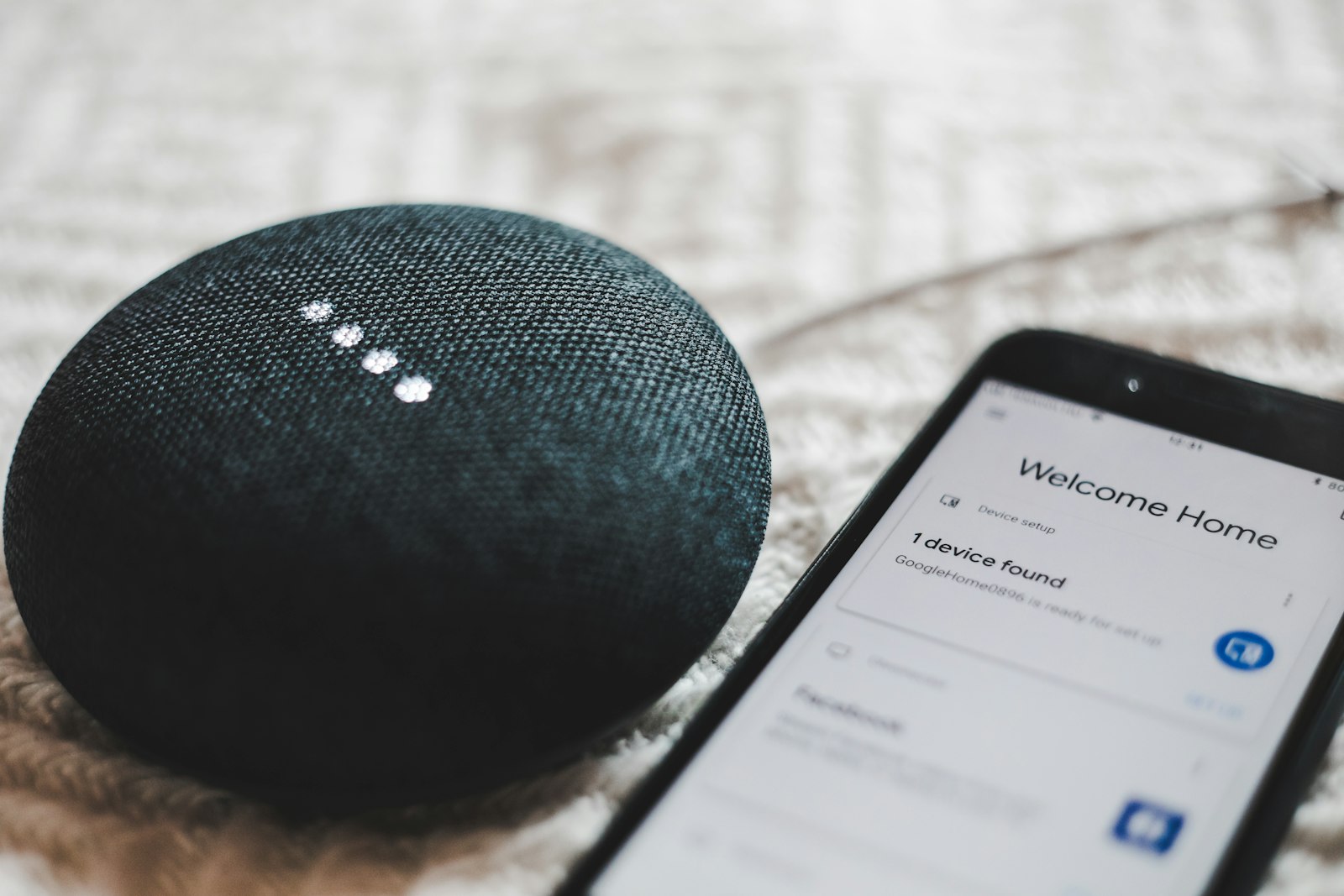
Smart speakers, thermostats, lights, and security cameras learn routines and respond to voice commands.
10. Health and Fitness
Smartwatches track heart rate, sleep, and activity, and some can alert users to irregular heart rhythms.
11. Translation
Google Translate and similar tools translate text, voice, and even signs through your camera in real time.
12. Search Engines
Search results, autocomplete, and new AI-generated answers rely on AI. See our comparison of the best AI search engines.
13. Chatbots and AI Assistants
ChatGPT, Gemini, Copilot, and Claude help people write, plan, and learn. Our guide on how to use an AI assistant explains how to get started.
14. Ride-Hailing and Food Delivery
Uber, Careem, inDrive, and food delivery apps use AI to match drivers, set prices, and estimate delivery times.
15. Customer Support
Many websites use AI chatbots to answer common questions instantly, any time of day.
Benefits of AI in Everyday Life
- Saves time on routine tasks.
- Personalized experiences in shopping, music, and learning.
- Better safety through fraud alerts and spam filtering.
- Accessibility with voice control, captions, and screen readers.
- Smarter decisions with traffic, weather, and health insights.
Risks and Concerns
| Concern | Example | What You Can Do |
|---|---|---|
| Privacy | Apps collecting location and personal data | Review app permissions regularly |
| Misinformation | Deepfakes and fake AI content | Verify news from trusted sources |
| Filter bubbles | Feeds showing only similar views | Follow diverse sources |
| Over-dependence | Relying on AI for every decision | Use AI as a helper, not a replacement |
| Scams | AI voice cloning and phishing | Confirm requests through another channel |
Protecting your devices also matters; follow our cybersecurity best practices and review your WhatsApp privacy settings.
The Future of AI in Daily Life
In the coming years, expect more personal AI assistants that remember your preferences, AI agents that book appointments and handle errands, and more AI features running directly on phones and laptops for better privacy and speed.
Frequently Asked Questions
What are 5 examples of AI in daily life?
Face unlock on phones, Google Maps traffic predictions, Netflix recommendations, Gmail spam filters, and voice assistants like Siri or Alexa.
Is AI in daily life safe?
Mostly yes, but you should protect your privacy, check app permissions, and be careful with AI-generated content and scams.
How does AI help students and workers daily?
It helps with research, writing, translation, scheduling, and learning new skills quickly.
Can I avoid using AI completely?
It is very hard, because AI runs behind many common services. However, you can limit data sharing and turn off some personalization features.
Final Thoughts
Artificial intelligence in daily life is no longer science fiction; it is part of your phone, home, bank, and entertainment. Understanding where AI appears helps you enjoy its benefits while staying alert to privacy and safety risks. Use it wisely, and it can make everyday life easier, safer, and more efficient.